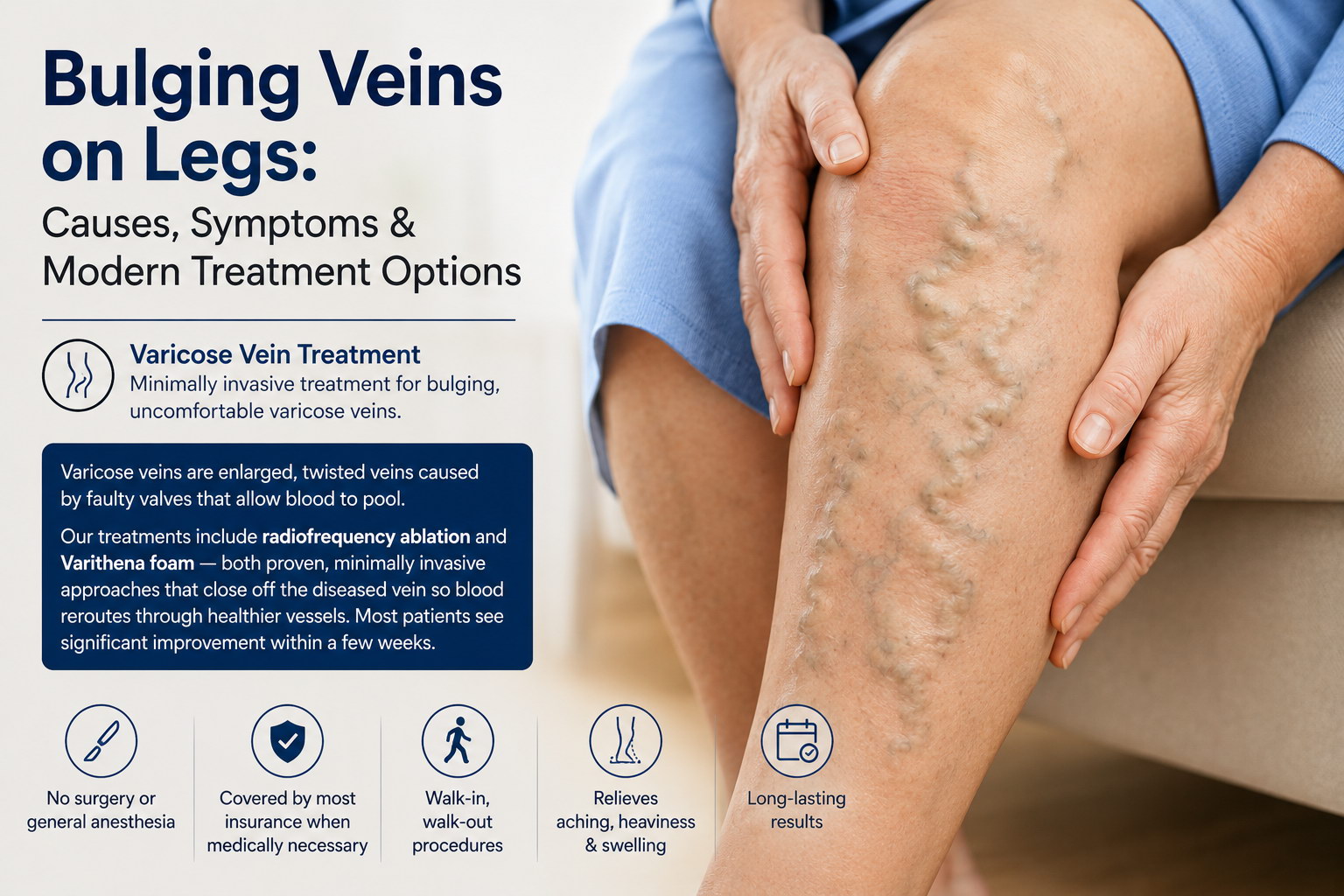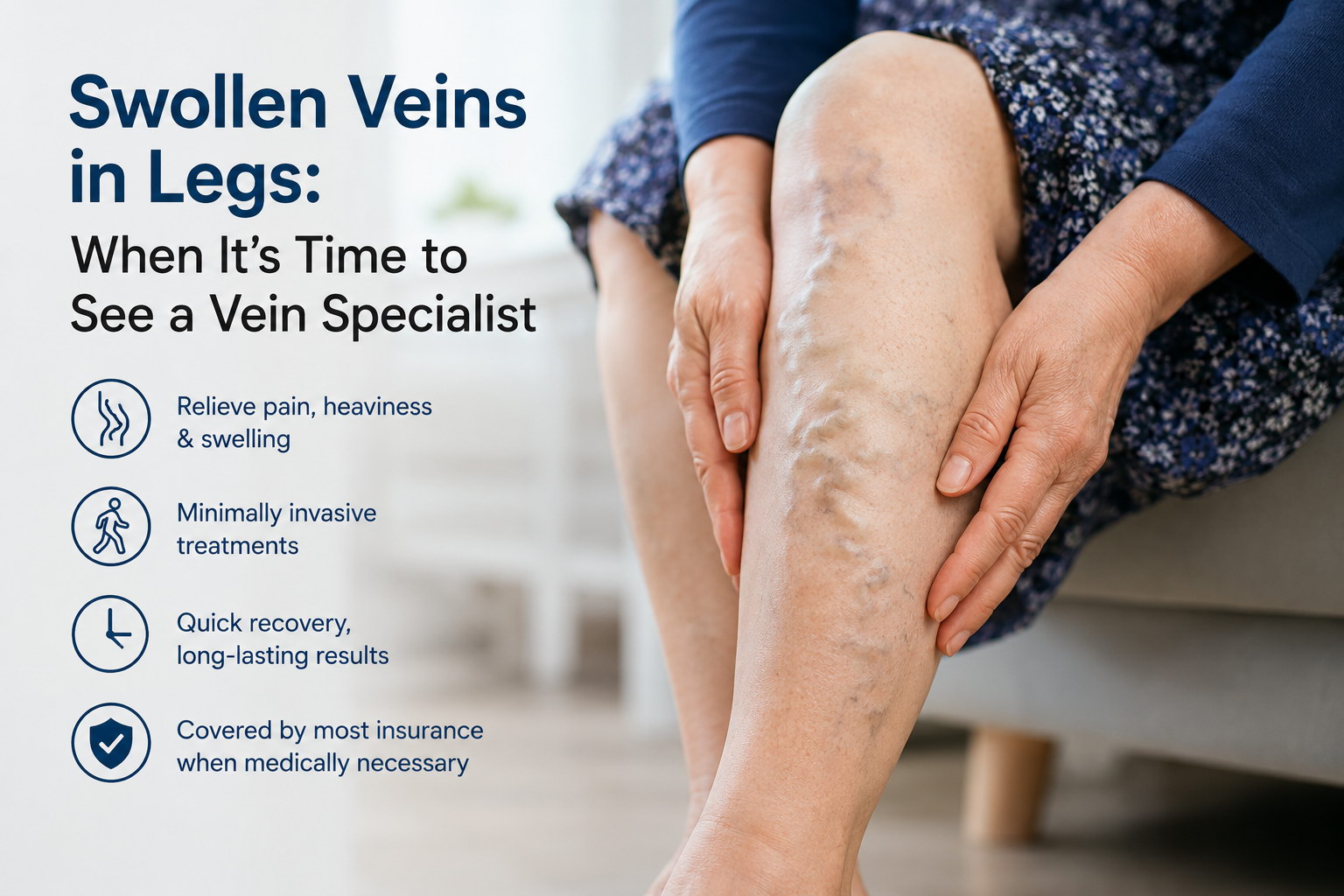

Varicose veins are more than a cosmetic concern. They can cause aching, heaviness, swelling, fatigue, cramping, and discomfort that worsens throughout the day. Thanks to advances in vein care, surgery is no longer the standard treatment for many patients. One of the most effective minimally invasive options available today is radiofrequency ablation (RFA).
What Is Radiofrequency Ablation?
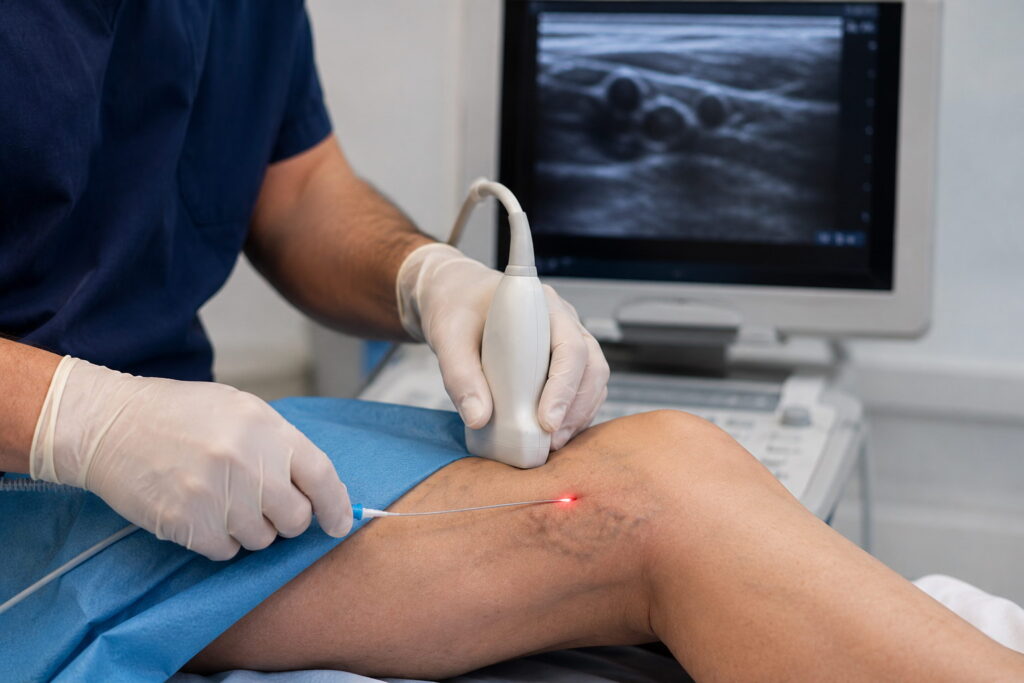
Radiofrequency ablation is a modern vein treatment that uses controlled heat energy to close diseased veins affected by venous reflux. During the procedure, a thin catheter is inserted into the faulty vein using ultrasound guidance. The catheter delivers radiofrequency energy to the vein wall, causing it to collapse and seal shut.
Once the damaged vein is closed, blood naturally reroutes through healthier veins, improving circulation and reducing symptoms.
How Varicose Veins Develop
Varicose veins form when vein valves weaken or stop functioning properly. Instead of flowing upward toward the heart, blood begins pooling inside the veins. This increased pressure causes veins to enlarge, twist, and become visible beneath the skin.
Common symptoms include:
- Aching or throbbing legs
- Swelling in the lower legs
- Heaviness or fatigue
- Burning or itching sensations
- Night cramps
- Visible bulging veins
How the Procedure Works
Radiofrequency ablation is performed in the office and usually takes less than an hour.
Step 1: Ultrasound Vein Mapping
A duplex ultrasound exam identifies the diseased vein and areas of venous reflux.
Step 2: Local Anesthesia
The treatment area is numbed using local anesthesia to keep the patient comfortable.
Step 3: Catheter Placement
A small catheter is inserted into the targeted vein through a tiny incision.
Step 4: Heat Treatment
Radiofrequency energy heats the vein wall, causing the vein to close safely and effectively.
Step 5: Recovery
The catheter is removed, and patients are encouraged to walk immediately after the procedure.
Benefits of Radiofrequency Ablation
No Surgery Required
RFA eliminates the need for traditional vein stripping surgery.
Minimal Downtime
Most patients return to normal daily activities within 24 hours.
Little Discomfort
The procedure is performed under local anesthesia with minimal pain during recovery.
Effective Symptom Relief
Many patients experience improvement in:
- Leg pain
- Swelling
- Heaviness
- Cramping
- Fatigue
Small Incisions & Minimal Scarring
Only a tiny entry point is needed, leaving little to no visible scarring.
Recovery After RFA Treatment
Recovery is generally simple and fast. Patients may be advised to:
- Walk daily
- Wear compression stockings
- Avoid prolonged standing initially
- Avoid heavy exercise for a short period
Some mild bruising or tightness may occur temporarily but typically resolves quickly.
How Soon Will You See Results?
Many patients notice symptom relief within days to weeks after treatment. Cosmetic improvement continues gradually as the treated vein shrinks and is absorbed by the body.
Results are often long-lasting when combined with healthy circulation habits and follow-up care.
Is Radiofrequency Ablation Covered by Insurance?
Most insurance plans cover radiofrequency ablation when it is medically necessary. Patients with symptoms such as pain, swelling, venous insufficiency, or documented reflux on ultrasound may qualify for coverage.
Final Thoughts
Radiofrequency ablation has transformed the way varicose veins are treated. By using minimally invasive heat technology instead of surgery, patients can experience faster recovery, less discomfort, and long-lasting symptom relief.
If you are dealing with painful or visible varicose veins, a professional vein evaluation and ultrasound exam can help determine whether radiofrequency ablation is the right treatment option for you.