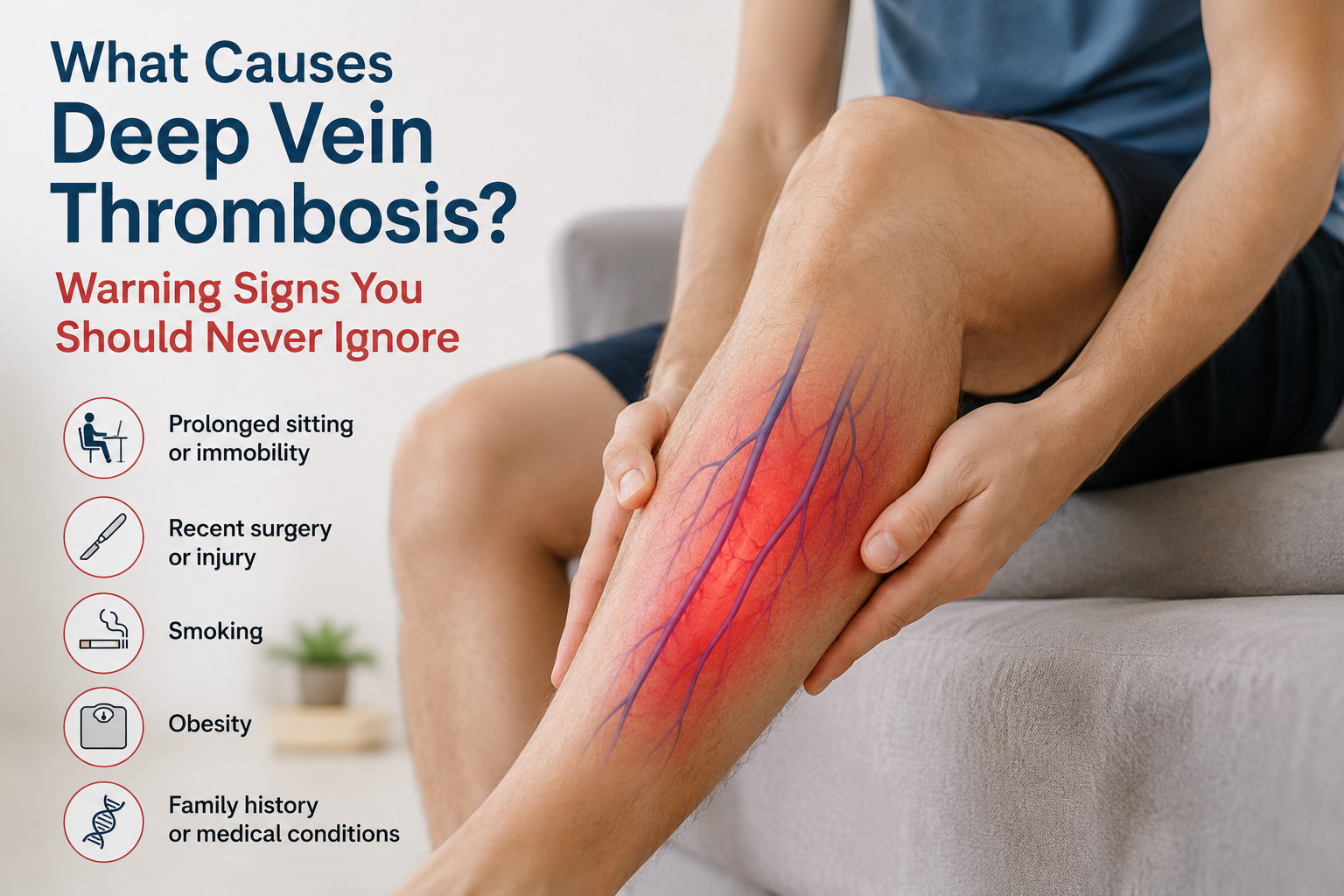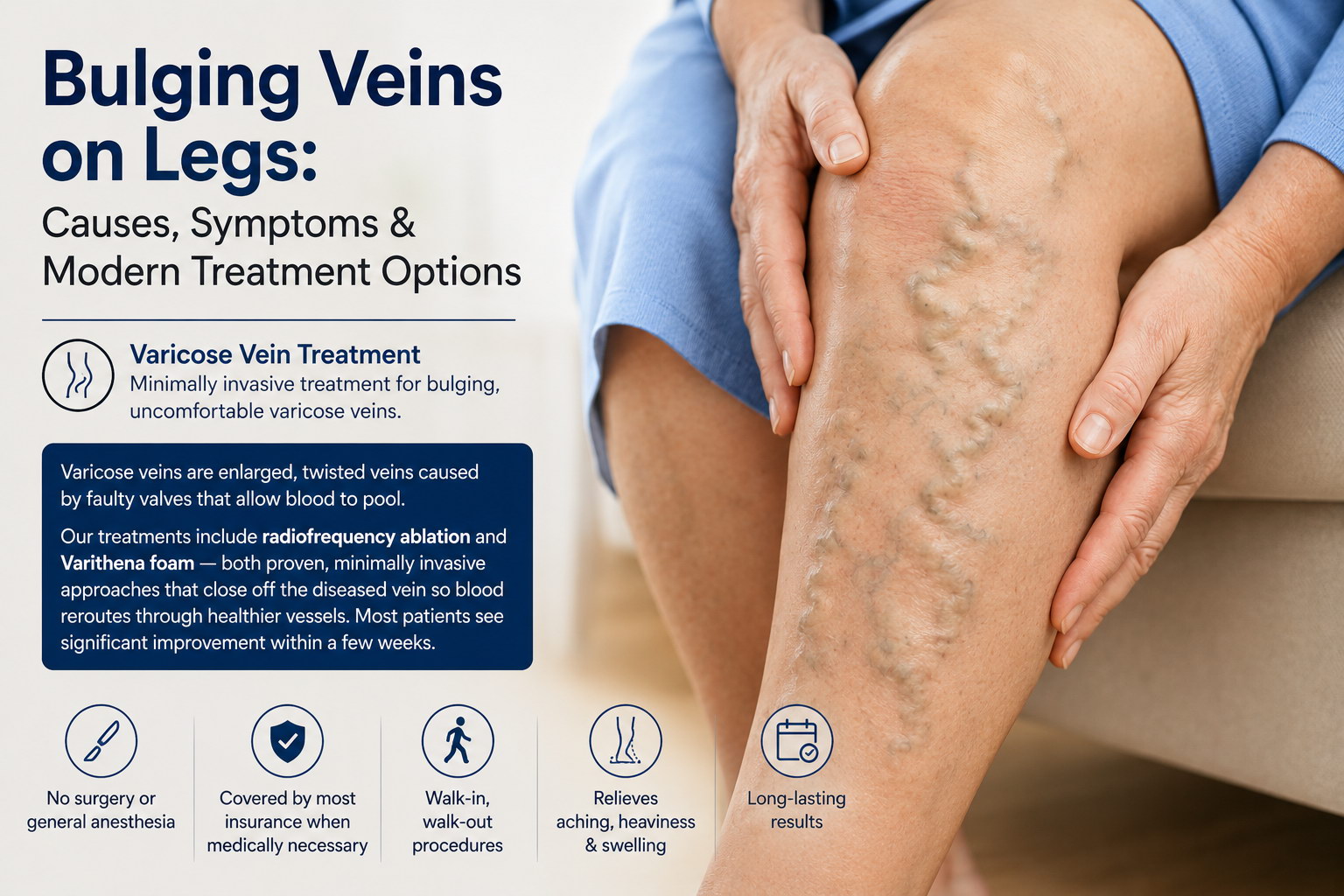

Varicose veins can cause more than cosmetic concerns. Many people experience aching, heaviness, swelling, cramping, and tired legs that interfere with daily life. Fortunately, modern vein care now offers minimally invasive treatments that are effective, safe, and require little downtime. One of the most advanced options available today is Varithena foam treatment.
What Is Varithena?
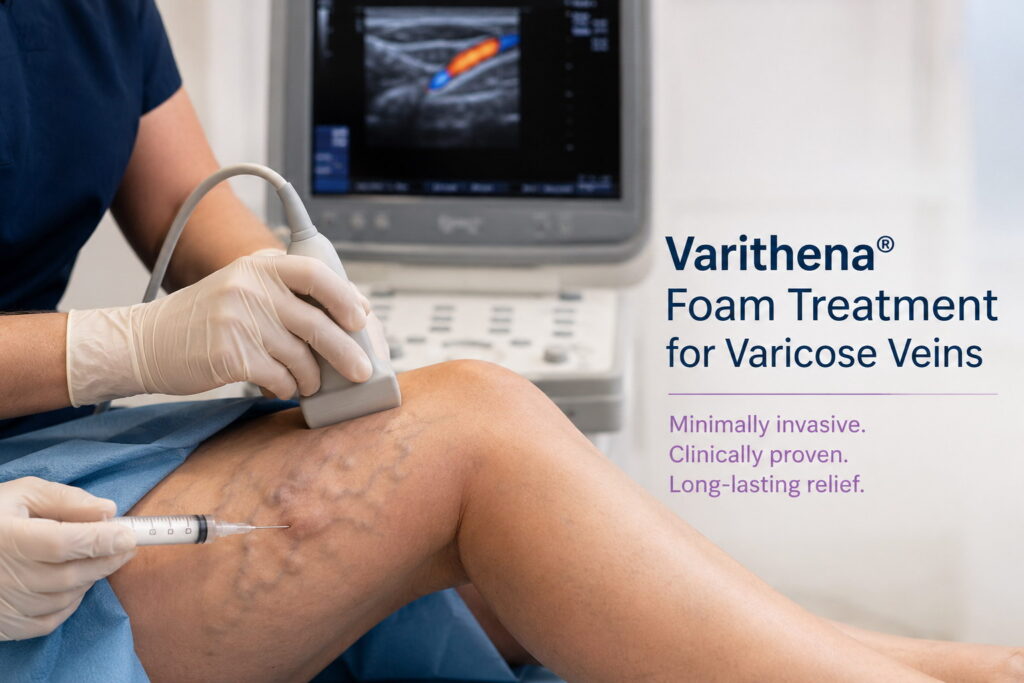
Varithena is an FDA-approved injectable foam treatment used to treat varicose veins and underlying venous reflux disease. The foam is carefully injected into the diseased vein using ultrasound guidance. Once inside the vein, the medication causes the vein walls to collapse and seal shut, allowing blood to naturally reroute through healthier veins.
Over time, the treated vein is absorbed by the body, improving both symptoms and appearance.
Benefits of Varithena Foam Treatment
Minimally Invasive Procedure
Varithena is performed in the office without surgery, stitches, or general anesthesia. Most treatments take less than an hour.
Little to No Downtime
Patients can usually return to normal daily activities immediately after treatment. Walking is encouraged to support healthy circulation.
Effective Symptom Relief
Many patients notice improvement in:
- Leg aching
- Heaviness
- Swelling
- Burning sensations
- Night cramps
- Fatigue in the legs
Treats Large & Twisted Veins
Unlike some traditional procedures, Varithena can effectively treat larger and more tortuous veins that may be difficult to manage with other methods.
Improved Cosmetic Appearance
As the treated veins close and fade, legs often appear smoother and healthier over time.
What Happens During the Procedure?
Before treatment, a duplex ultrasound exam is performed to map the affected veins and identify areas of venous reflux.
During the procedure:
- The treatment area is cleaned and prepared.
- Ultrasound guidance is used to place the foam accurately into the targeted vein.
- The foam fills and closes the diseased vein.
- Compression stockings may be applied afterward.
The procedure is typically well tolerated with minimal discomfort.
Recovery After Varithena Treatment
Recovery is generally quick and simple. Patients are often advised to:
- Walk daily after treatment
- Wear compression stockings as directed
- Avoid prolonged sitting or standing initially
- Avoid heavy exercise for a short period
Mild tenderness, tightness, or bruising may occur temporarily but usually resolves within days to weeks.
When Will You See Results?
Some symptom improvement may be noticed within a few days, while cosmetic improvement develops gradually over several weeks as the body absorbs the treated vein.
Results vary depending on the severity of the vein disease and the number of veins treated, but many patients experience long-lasting relief and improved comfort.
Is Varithena Covered by Insurance?
Many insurance plans cover Varithena treatment when it is considered medically necessary. Patients with symptoms such as pain, swelling, heaviness, or venous insufficiency may qualify after evaluation and ultrasound testing.
Final Thoughts
Varithena foam treatment offers an effective, minimally invasive solution for people struggling with uncomfortable varicose veins. With little downtime, excellent symptom relief, and long-lasting results, it has become a popular option for treating venous disease without surgery.
If you are experiencing leg discomfort, swelling, or visible varicose veins, a professional vein evaluation can help determine whether Varithena is the right treatment option for you.