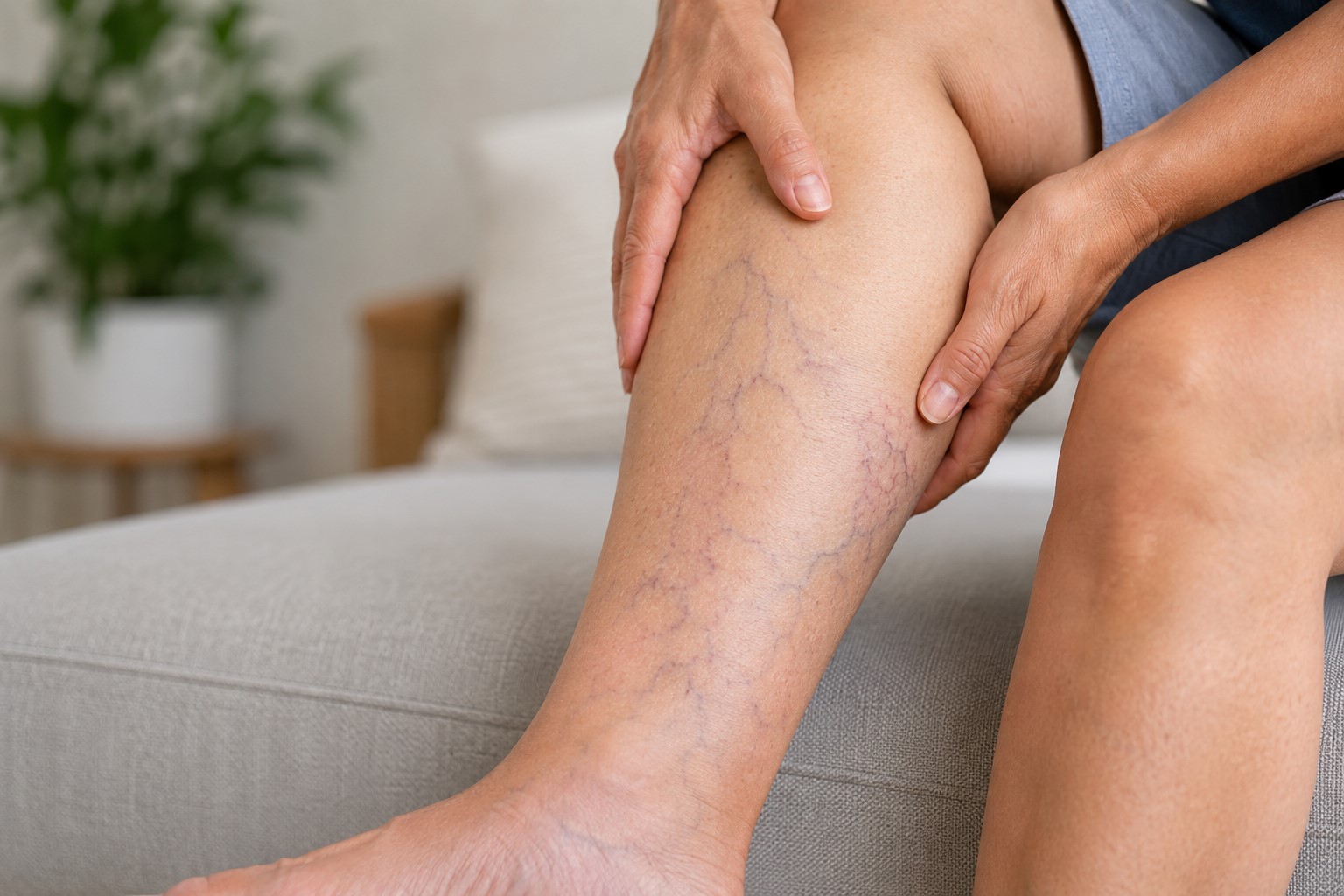

If you’ve noticed blue, purple, or red veins becoming more visible beneath your skin, you’re not alone. Many people are concerned when veins start showing through their legs, ankles, feet, or even their face. While visible veins are often harmless, they can sometimes be a sign of an underlying vein condition that may benefit from medical evaluation and treatment.
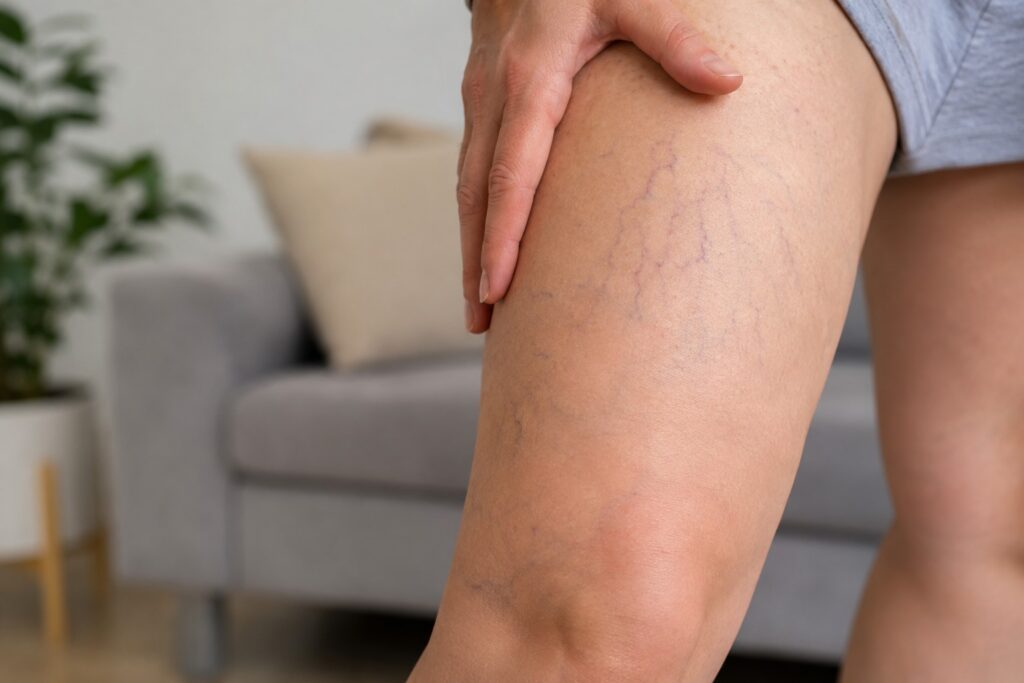
Understanding why veins become more noticeable can help you determine whether it’s simply a cosmetic concern or a sign of a circulatory problem.
Why Are My Veins So Visible?
Veins carry blood back to the heart and are located throughout the body. In some cases, these veins become more noticeable beneath the skin due to a variety of factors.
Thin or Fair Skin
People with lighter skin tones or thinner skin often have more visible veins. As skin naturally loses collagen and elasticity with age, veins may become easier to see.
Aging
As we get older, the skin becomes thinner and less able to conceal the blood vessels beneath it. Aging can also weaken vein walls and valves, making veins more prominent.
Genetics
A family history of spider veins, varicose veins, or chronic venous insufficiency can increase your risk of developing visible veins.
Exercise and Muscle Development
Athletes and physically active individuals often notice more visible veins due to increased blood flow and reduced body fat. In many cases, this is completely normal.
Pregnancy
Hormonal changes and increased blood volume during pregnancy place additional pressure on the veins, making them more visible and increasing the risk of spider veins and varicose veins.
Excess Pressure in the Veins
When the valves inside veins weaken or fail, blood can pool instead of flowing efficiently back to the heart. This can cause veins to enlarge and become visible beneath the skin.
Types of Visible Veins
Not all visible veins are the same. The appearance of the veins can help identify the underlying condition.
Spider Veins
Spider veins are small red, blue, or purple blood vessels that appear close to the skin’s surface. They often resemble spider webs or tree branches and commonly appear on the legs, ankles, and face.
Spider veins are usually considered a cosmetic concern, but some patients experience mild burning, itching, or discomfort.
Varicose Veins
Varicose veins are larger, twisted, bulging veins that typically develop in the legs. They occur when vein valves become damaged and blood pools within the veins.
Common symptoms include:
- Leg aching or heaviness
- Swelling in the legs or ankles
- Throbbing or cramping
- Itching around the veins
- Fatigue after standing for long periods
Chronic Venous Insufficiency
Visible veins can sometimes indicate chronic venous insufficiency (CVI), a condition in which blood struggles to return efficiently to the heart.
Symptoms may include:
- Persistent leg swelling
- Skin discoloration near the ankles
- Leg pain or heaviness
- Restless legs
- Venous ulcers in advanced cases
When Should You See a Vein Specialist?
While visible veins are not always dangerous, it’s a good idea to schedule a vein evaluation if you experience:
- Leg pain or discomfort
- Swelling in the legs or ankles
- Heavy or tired legs
- Burning, itching, or cramping
- Skin discoloration
- Bulging veins
- Worsening symptoms over time
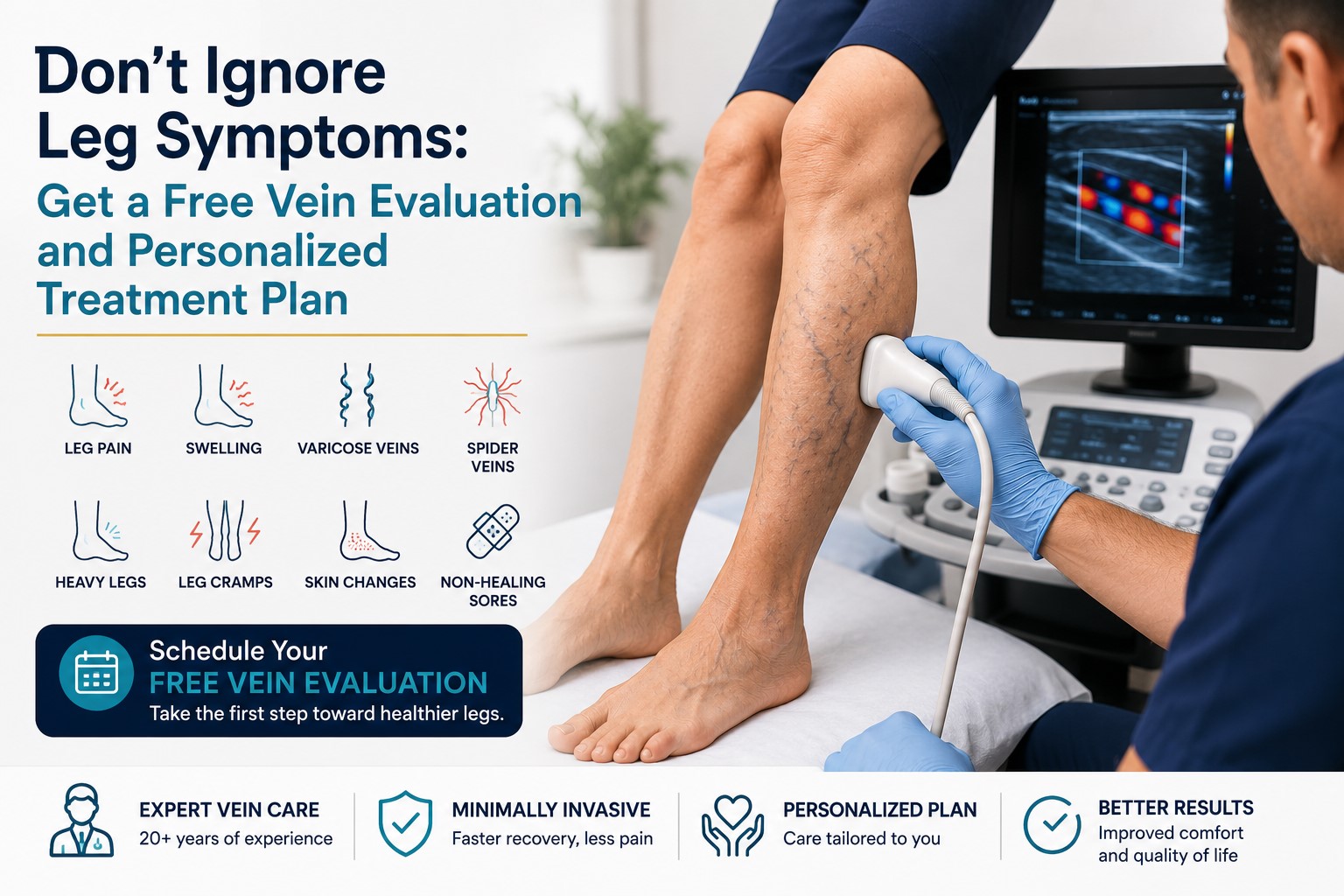
A comprehensive vein evaluation can determine whether your visible veins are cosmetic or related to an underlying vein disorder.
Treatment Options for Visible Veins
Modern vein treatments are minimally invasive and require little to no downtime.
Sclerotherapy
Sclerotherapy is one of the most effective treatments for spider veins. A specialized solution is injected into the affected vein, causing it to collapse and gradually fade over time.
Benefits include:
- Quick in-office procedure
- Minimal discomfort
- No surgery required
- Excellent cosmetic results
Radiofrequency Ablation (RFA)
For larger varicose veins and venous insufficiency, radiofrequency ablation uses heat energy to close diseased veins and redirect blood flow to healthier veins.
Compression Therapy
Medical-grade compression stockings can help improve circulation, reduce swelling, and relieve symptoms associated with vein disease.
Lifestyle Modifications
Maintaining a healthy weight, staying active, elevating the legs, and avoiding prolonged sitting or standing can help support healthy circulation.
Don’t Ignore Visible Veins
If veins are showing through your skin, it’s worth finding out why. While some visible veins are harmless, others may indicate an underlying circulation issue that can worsen over time if left untreated.
A professional vein evaluation can provide answers and help determine the best treatment options for your specific needs. Early diagnosis and treatment can improve both the appearance of your veins and your overall vascular health.
Schedule a comprehensive vein evaluation today to learn what’s causing your visible veins and explore personalized treatment options.